HERITAGE TOGETHER KOTAHITANGA
Exlpore our heritage trails this autumn - winter



|
Visit Maketū
Historic Maketū is located on Ōkūrei Point, also known as Town Point or ‘Te Okureitanga o Te Ihu o Tamatekapua (the point that is the prow/nose of Tamatekapua). This point is significant in traditional and spiritual senses. This significant headland is imbued with the mana (inherent authority) of Tamatekapua, the captain of the Te Arawa waka (canoe) which left Hawaiki around 1340 AD and arrived at Maketu circa 1340AD.
|
|
Te Puna Quarry Park -
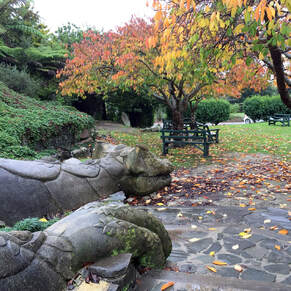
Te Puna Quarry park started life as a Rock Quarry in the early 1900s, through until 1979. Ten years later, the council planted some pine trees, and the Te Puna Quarry Park Society was formed in 1993, beginning work on the park three years later. Nearly 20 years since we started developing this park into a local and national treasure, we’ve come a long way, and we’re excited to see what will be next. Read more about Te Puna Quarry Park Explore the Park this Autumn and Winter it is open everyday 110 Te Puna Quarry Road Te Puna, Tauranga |
|
Papāmoā Hills - Western Bay's best secret
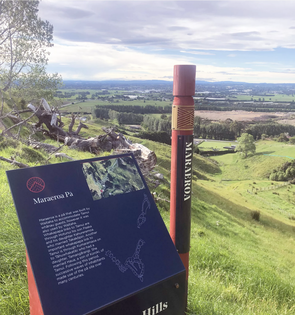
This is an outstanding trail: the view from top is unsurpassed. Seven pā sites can be found in these hills, and the terracing they created in the hills can quite clearly be seen. The regional park was formed in 2003 to help protect the site’s cultural heritage (which may date back as far as 1650AD or even earlier) and there are over 1,630 individual archaeological features recorded within the park. Predominantly the features are terraces (tuku) and platforms (papatahi), pits, middens and defensive earthworks such as ditches (maioro). Read more about the Papāmoā Hills Project Best time to explore Papamoa Hills is Autumn and winter Poplar Lane, off Te Puke Highway 17km south of Tauranga along the Te Puke Highway. You'll find the Papamoa Hills Regional Park at the end of Poplar Lane. |
|
Ngā Tapuwae o Toi, or the 'Footprints of Toi'
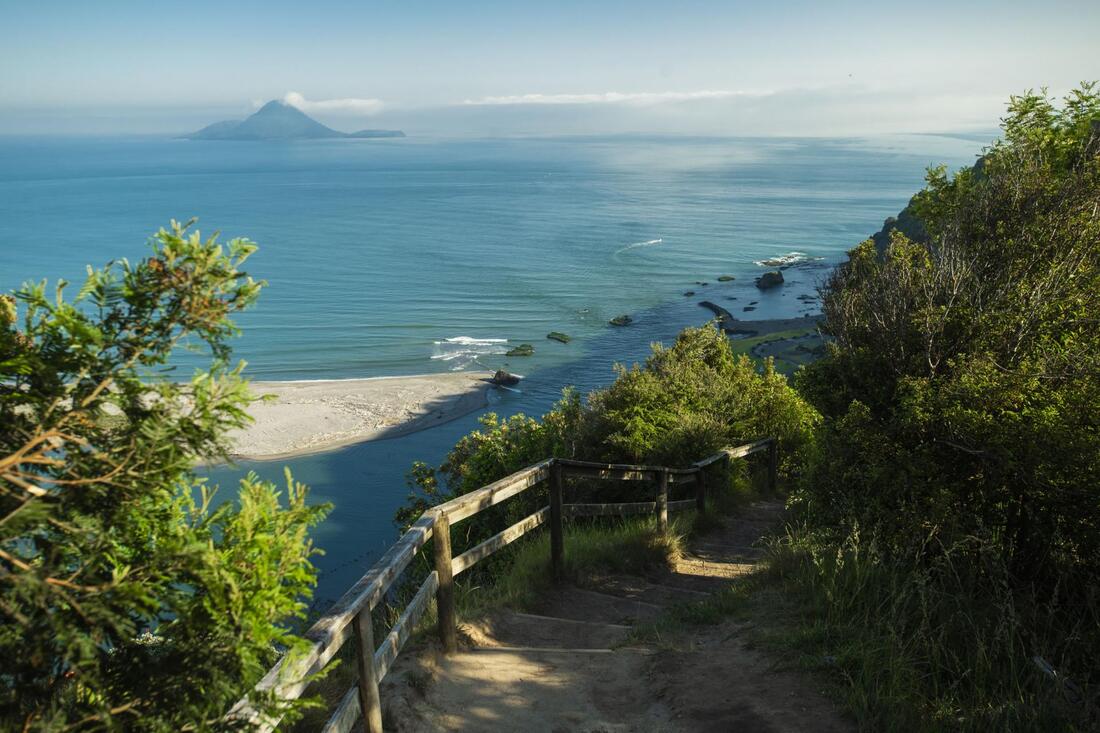
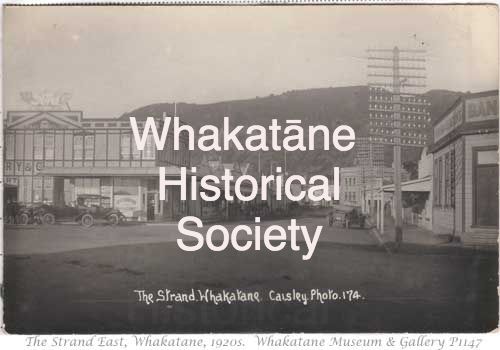
Whakatāne: this trail captures the essence of the Whakatāne District. It includes pā sites of major historic significance, superb native forest, spectacular pohutukawa stands, unsurpassed coastal views, seabird colonies, forest birds in abundance, plantation forest and rural vistas. Read more about the trail Starting Point: Kohi Point Walkway steps at Canning Place in Whakatane. |

|
|
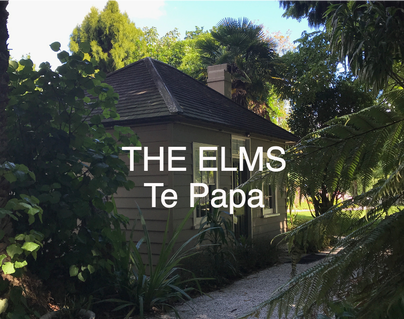
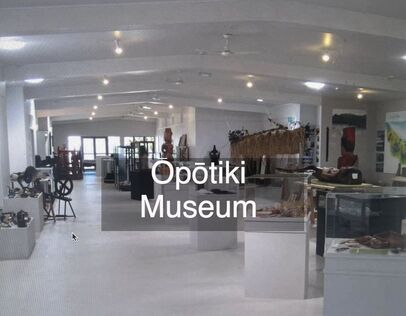
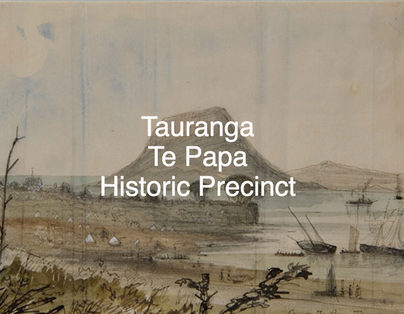
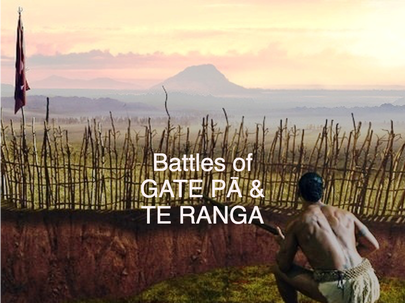
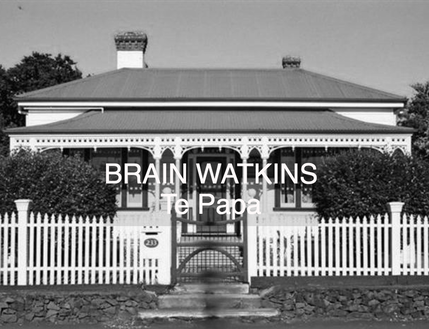
Ngā Tapuwae ki Te Papa
Footprints on Te Papa MAP & GUIDE click image to enter 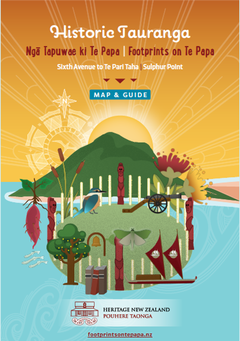
|
Tauranga Western Bay Heritage Strategy
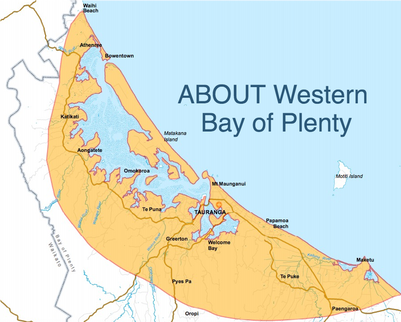
Orokohanga Poutama 'weaving a stairway from creation towards heritage unity, recognition and excellence' Before the heritage of the Western Bay can be connected to ther historic heritage of Eastern Bay of Plenty and Rotorua Lakes District the Western Bay of Plenty needed its own strategy to connect its currently fragmented history. 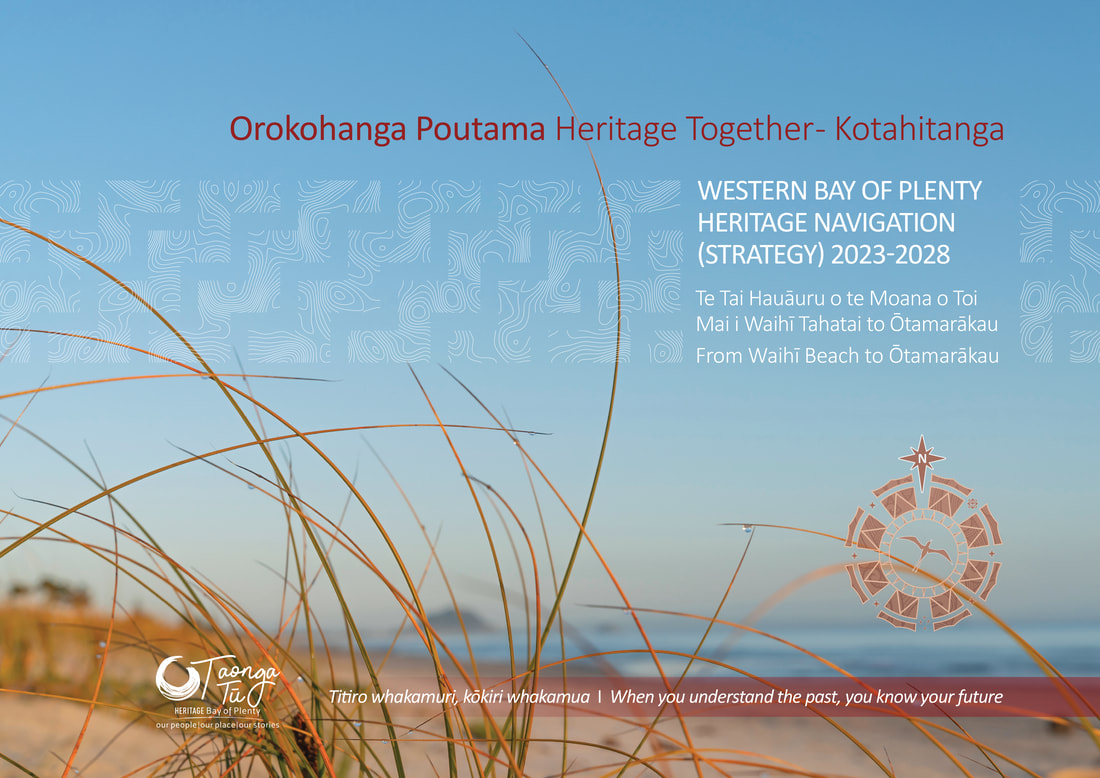
|
|
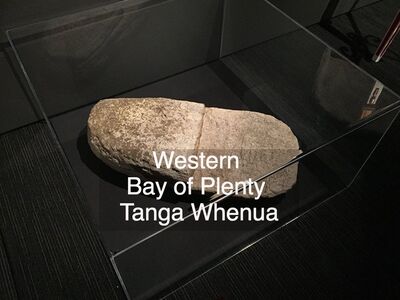
Discover
Western Bay of Plenty more entries coming soon |
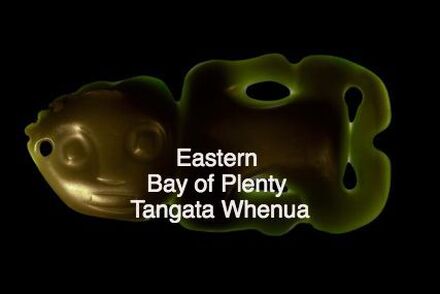
Discover
Eastern Bay of Plenty more entries coming soon |
|
|

|
|

|

|
|
|
|
|
|
|

